Climate & Circularity
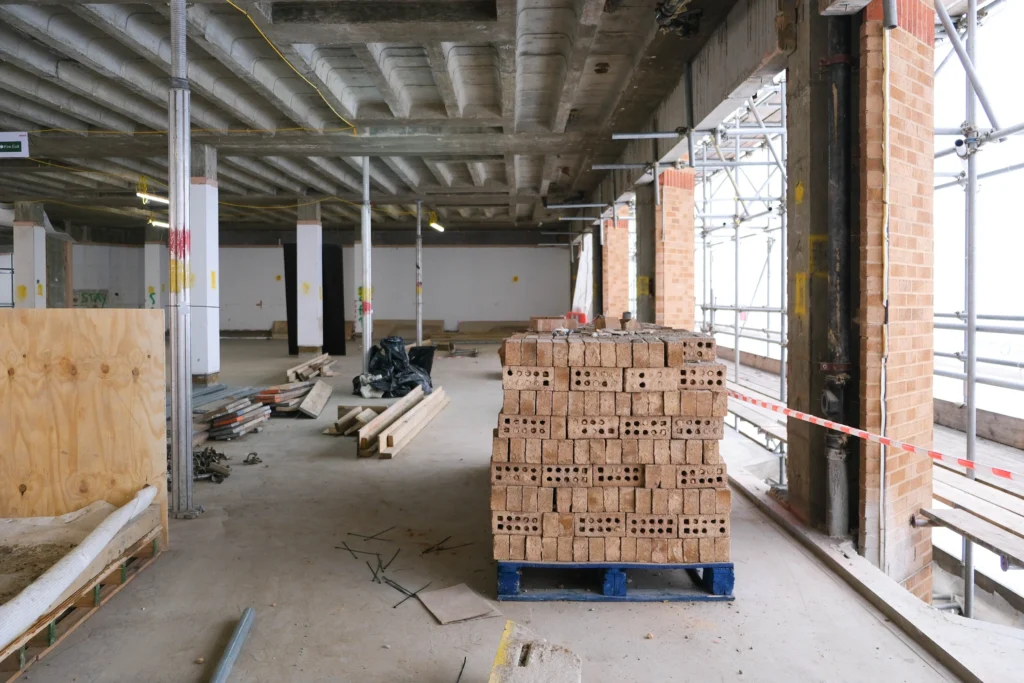
Circular thinking drives our sustainability strategy. We measure embodied carbon, reuse materials, and prioritise retrofit across our projects.
Our Head of Sustainability, Matt Robinson’s, research on Measuring the Real Impact of Cat A Fit Outs, revealed that you can reduce embodied carbon by up to 55% when converting a Cat A fit out to Cat B by reusing Cat A elements and limiting unnecessary strip-out, avoiding an average of 56 kgCO₂e per m² compared to traditional strip-out and rebuild. The study highlights how extending the life of existing materials delivers both carbon and cost savings, a principle embedded across every WFG brand.
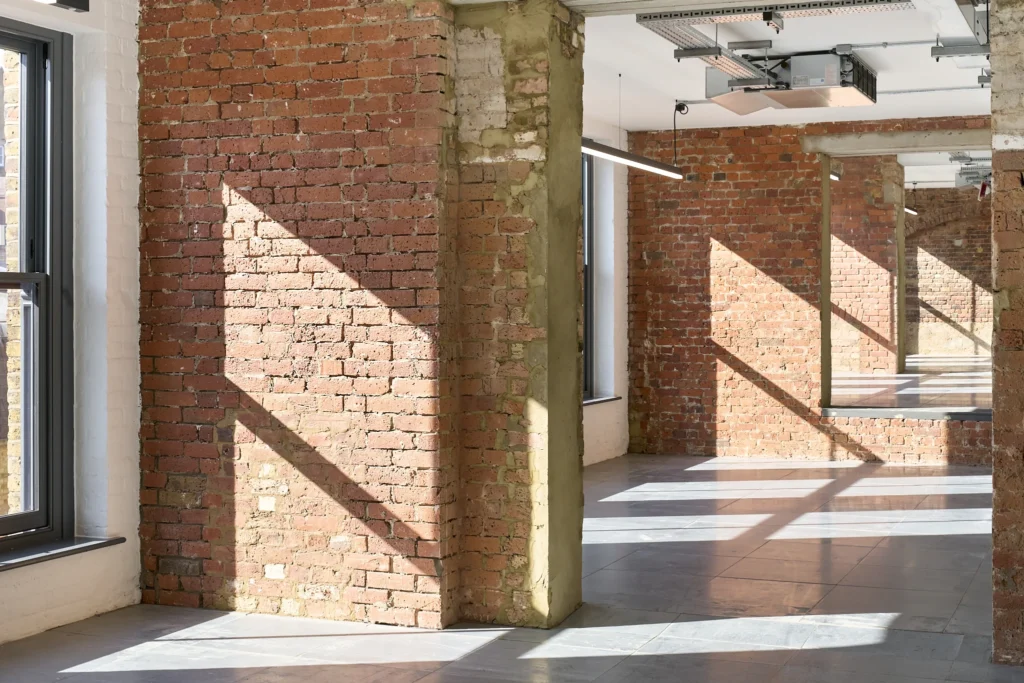
We commissioned a study on Office Partition Study Embodied Carbon Assessment with Max Fordham, finding that traditional plasterboard partitions can generate up to 63 kgCO₂e per m², whereas reusing demountable partitions reduces that figure to around 16 kgCO₂e per m². This data is now shaping how we design and specify across future projects.
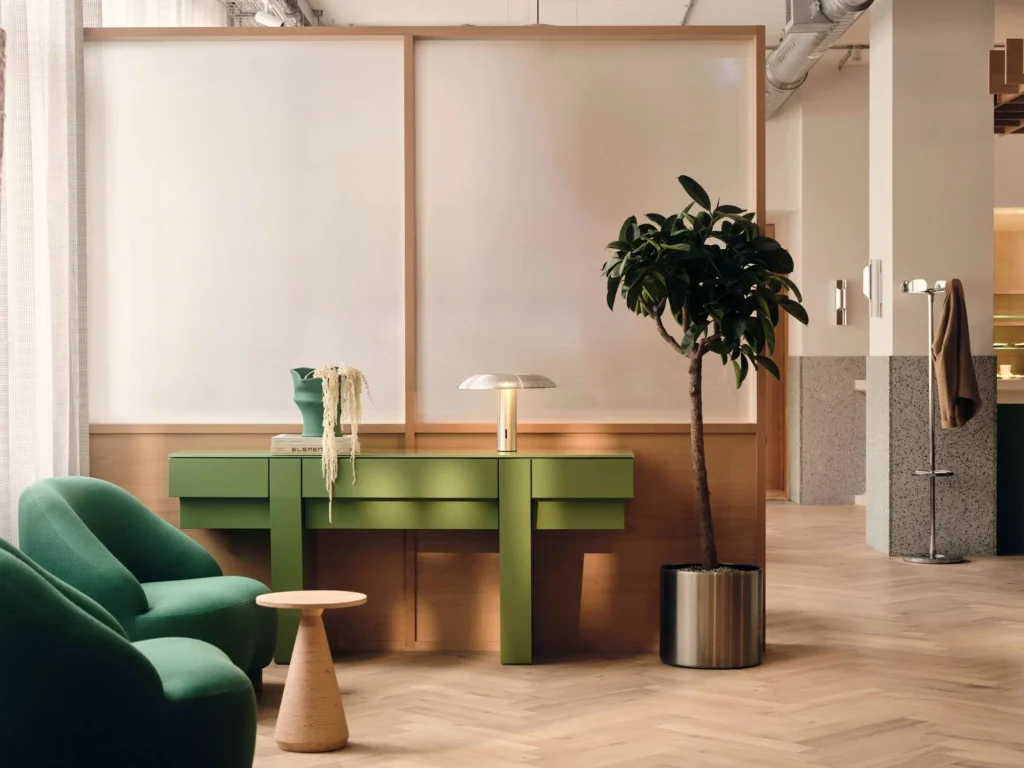
Our projects track materials, waste, and carbon data using QualisFlow, giving us a detailed understanding of embodied impact. We partner with circularity schemes run by Holcim, Saint-Gobain, Protec, Pallet Loop, and Community Wood Recycling to maximise reuse and resource recovery. We also stay closely connected to the latest material innovations, applying them across our projects, for example, using Holcim’s ECOPact cement (CEM VI) at our Rochester Row project.